
The psychology behind gambling understanding its emotional turmoil
The Allure of Gambling
Gambling captivates individuals with the promise of instant rewards and the thrill of risk. This allure stems from various psychological triggers that play on human emotions, which can sometimes lead players to explore online casinos in search of excitement. The excitement generated during gambling can lead to a temporary escape from reality, allowing players to immerse themselves in a world where their fortunes can change in an instant.
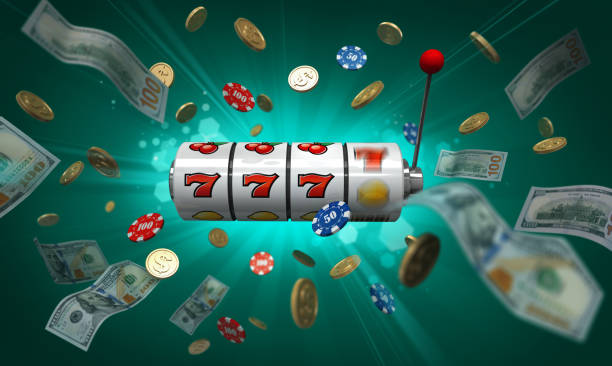
The unpredictable nature of gambling creates a dopamine rush similar to that of addictive substances. Each win, no matter how small, reinforces the behavior and can lead to an ongoing cycle of anticipation and reward. The emotional high from winning can overshadow the rational understanding of the risks involved, drawing individuals deeper into the gambling experience.
The Emotional Rollercoaster
The emotional landscape of gambling is a turbulent one, often characterized by highs and lows. Players experience moments of elation when they win, juxtaposed with feelings of despair during losses. This rollercoaster of emotions can lead to heightened stress and anxiety, influencing decision-making and reinforcing compulsive behavior.
Moreover, the social aspect of gambling can further complicate these emotions. For many, gambling is a communal activity where the thrill is shared with friends or strangers. This social interaction can amplify feelings of joy during wins but also deepen the sense of isolation and shame during losses, creating a complex emotional turmoil that players struggle to navigate.
The Role of Cognitive Biases
Cognitive biases significantly impact the psychology of gambling, influencing how individuals perceive their chances of winning. The illusion of control, for example, leads gamblers to believe they can influence outcomes through skill or strategy, even in predominantly chance-based games. This misconception can fuel continued play, despite mounting losses.
Additionally, the gambler’s fallacy—believing that past events affect future outcomes—can further entrench players in a cycle of gambling. This belief leads individuals to chase losses, convinced that a win is due after a streak of bad luck. Understanding these cognitive biases is crucial for recognizing the emotional turmoil they exacerbate within the gambling experience.
The Impact of Losses on Mental Health
Experiencing losses in gambling can have severe repercussions on an individual’s mental health. The shame and guilt associated with losing money can lead to feelings of worthlessness, anxiety, and depression. This emotional fallout can create a vicious cycle where individuals continue to gamble in an attempt to regain their losses, only to find themselves deeper in emotional distress.
Furthermore, gambling-related stress can affect relationships and social interactions. Friends and family may feel the impact of the gambler’s emotional turmoil, leading to strained relationships and further isolation. This creates an environment where seeking help becomes increasingly difficult, trapping individuals in their emotional struggles.

Your Source for Understanding Gambling Psychology
Our platform is dedicated to exploring the intricate psychology behind gambling and its emotional implications. By providing insights into the mental processes and emotional challenges faced by gamblers, we aim to foster a deeper understanding of this complex behavior. Whether you’re a casual player or someone seeking to comprehend the intricacies of gambling, our resources are here to help.
We encourage ongoing discussions and reflections on the emotional aspects of gambling. Our commitment is to provide supportive content that not only informs but also offers guidance for those navigating their relationship with gambling and its psychological impacts.