
The allure of gambling
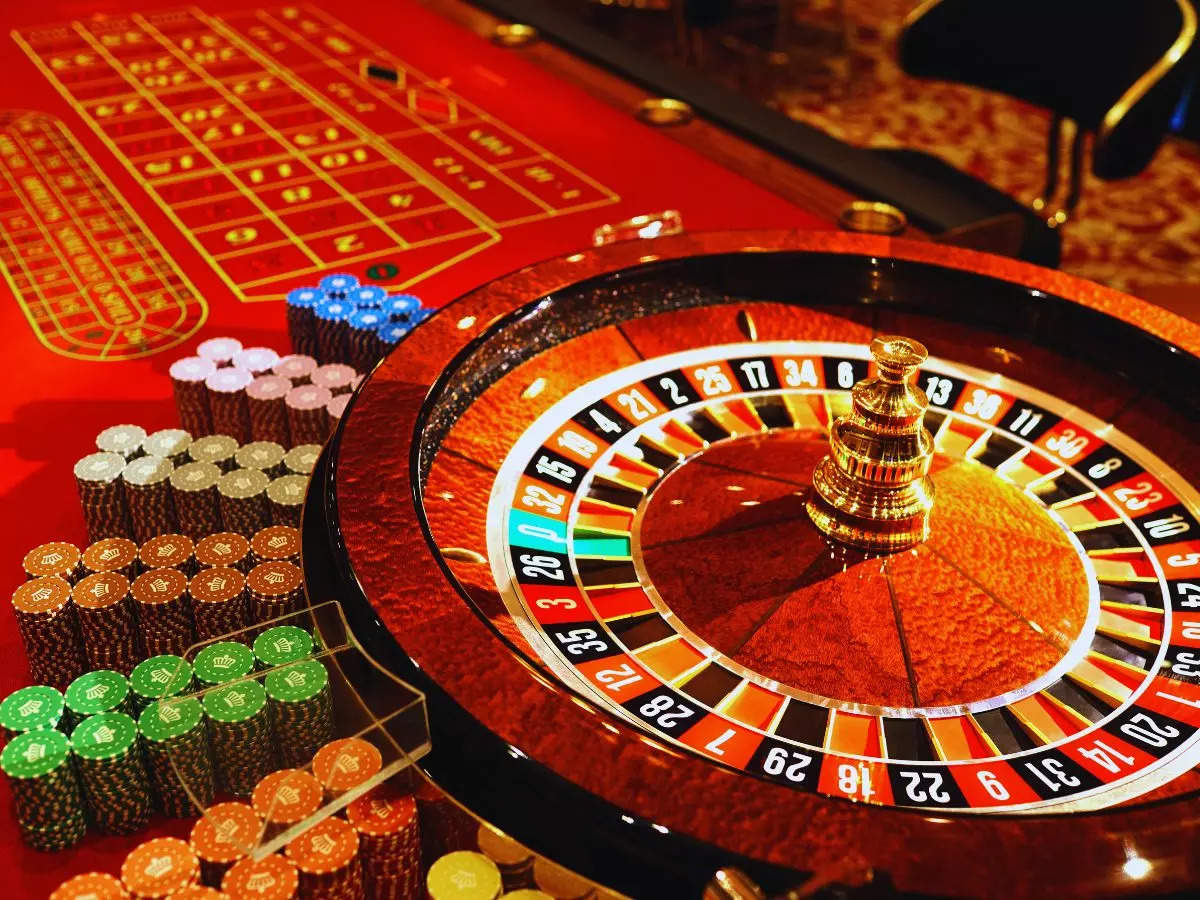
The casino environment is meticulously designed to draw players in, creating an atmosphere charged with excitement. Bright lights, enticing sounds, and the thrill of potential winnings evoke a psychological response that can be hard to resist. This immersive experience taps into the human desire for instant gratification, making the idea of hitting it big incredibly alluring. Many individuals find themselves drawn to casinos not just for the chance to win, but for the overall experience that stimulates their senses, including the option to discover various games at atexas online casino.
This sense of allure is further amplified by the concept of the ‘near miss.’ When players experience a close call on a slot machine or card game, their brains release dopamine, reinforcing the behavior. This psychological reward mechanism can lead to what is known as the ‘gambler’s fallacy,’ where players believe that their chances of winning increase after a series of near misses. This can create a cycle of risk-taking behavior where individuals continue to play in hopes of finally hitting that elusive jackpot.
The role of cognitive biases
Cognitive biases play a significant role in how players perceive their chances of winning at a casino. One prevalent bias is the illusion of control, where individuals believe that they can influence the outcome of random events. This might be seen when players develop rituals or strategies that they believe will enhance their odds, despite the games being governed by chance. Such beliefs can sustain gambling behavior, as players feel empowered and engaged, even when the odds are firmly against them.
Another common cognitive bias is confirmation bias, which leads players to remember their wins while ignoring their losses. This selective recall can bolster the illusion that they are more successful than they truly are, encouraging further gambling. The psychological impact of these biases is profound, as they can fuel a cycle of gambling despite mounting losses, creating a false sense of security and potential for victory.
The impact of social dynamics
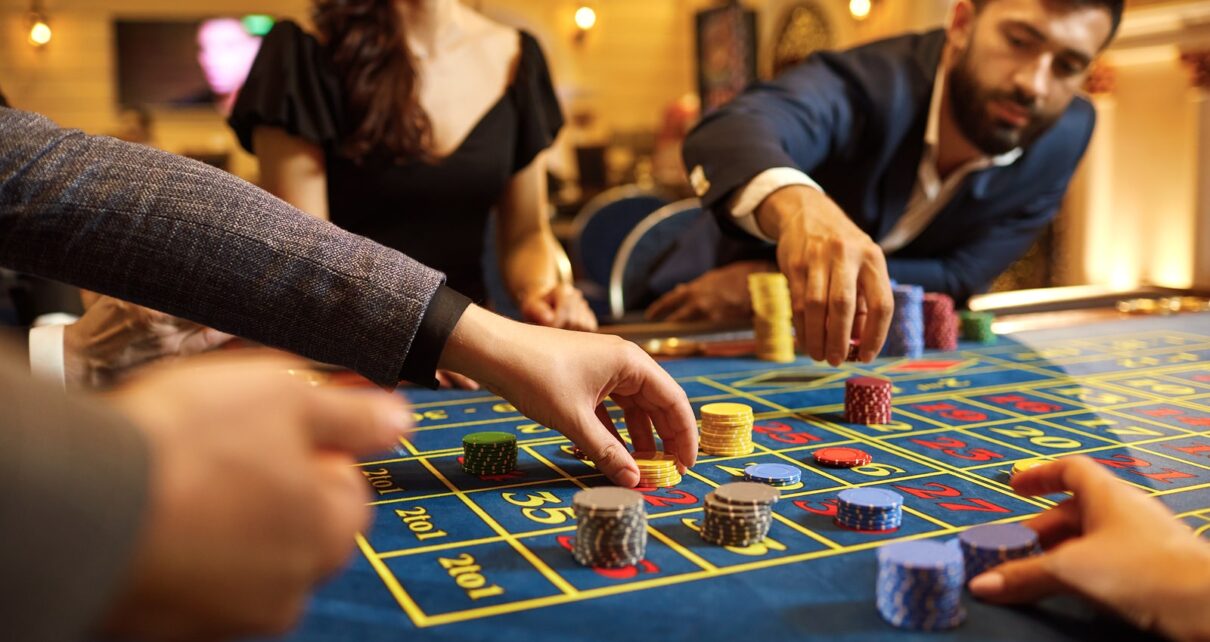
The social aspects of casino gambling significantly influence player behavior and psychology. Many people enjoy the communal experience of gambling, feeding off the excitement and energy of fellow players. This social interaction can enhance the thrill of the game and promote a sense of belonging, which psychologically reinforces the desire to continue playing. Casinos often capitalize on this by providing spaces for group play and encouraging social engagement through tournaments and themed events.
Furthermore, observing others win can create a powerful psychological effect. It instills hope and excitement, leading players to believe that they too can achieve similar success. This phenomenon is increasingly prevalent with the rise of online casinos and streaming platforms, where players can watch and interact without being physically present. The combination of social dynamics and the thrill of the game can heighten emotional investment, enhancing the overall gambling experience.
The influence of risk and reward
The psychology of risk and reward is central to understanding gambling behavior. The potential for high rewards often leads individuals to take risks that they might not consider in other contexts. Players are often drawn to the thrill of making decisions that could lead to significant financial gains. This is tied closely to the concept of loss aversion, where the fear of losing money can drive players to take even greater risks, hoping to recoup losses or achieve a big win.
Additionally, the excitement associated with high-stakes games can create a rush similar to that found in other high-risk behaviors. The adrenaline surge experienced during moments of uncertainty and anticipation can be addictive, reinforcing the cycle of play. Understanding this psychological dynamic can help both players and the casino industry shape more responsible gambling practices, promoting awareness of the potential risks associated with high-risk gambling behaviors.
Conclusion on casino psychology
In exploring the intricate psychology behind winning at the casino, it becomes clear that the motivations for gambling extend beyond mere financial gain. The allure of the casino lies in its ability to stimulate emotions, belief systems, and social connections that keep players engaged. By understanding these psychological factors, individuals can develop a healthier relationship with gambling, recognizing its risks while still enjoying the experience.
For those seeking further insights into the world of casinos and gambling psychology, there are many resources available online. While some content may be currently inaccessible, various platforms aim to provide valuable information regarding responsible gambling practices and the psychological aspects that underpin the gaming experience. It is crucial to explore these resources to understand better the dynamics at play in the casino environment.