
The Allure of Slot Machines
Slot machines have long captivated players with their vibrant graphics, enticing sound effects, and the promise of potential rewards. This attraction is deeply rooted in psychology; the design of these machines is crafted to create an immersive experience that can lead to what is known as a “near-miss” effect. This phenomenon occurs when players come close to winning, triggering a rush of excitement and reinforcing the desire to keep playing in hopes of achieving that elusive jackpot. In recent times, many players have also explored the world of crypto casinos for a new and exciting way to engage with these games.

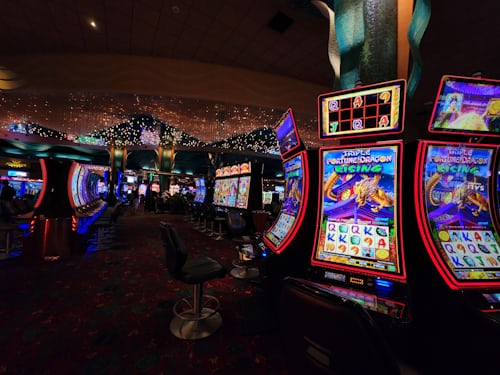
Moreover, the colorful displays and engaging themes take advantage of sensory stimulation to hold players’ attention. The bright lights and the sounds of coins falling create a multi-sensory experience that can be intoxicating. This deliberate manipulation of sensory perception is a tactic that keeps players at the machines longer, ultimately influencing their decision-making processes.
The Role of Randomness and Reward Systems
Central to the experience of playing slot machines is the element of randomness, which plays a pivotal role in player engagement. Slot machines utilize complex algorithms that determine outcomes, creating an unpredictable environment. This uncertainty fuels excitement and risk-taking behavior, as players often believe they can influence results or predict winning patterns. The psychology of gambling hinges on this illusion of control, which can lead to repeated play as individuals chase the next big win.
Furthermore, the concept of intermittent reinforcement, a principle rooted in behavioral psychology, significantly impacts players’ decisions. When players experience wins sporadically, the unpredictability enhances their gaming experience. Each small win can boost dopamine levels in the brain, making the game feel more rewarding and compelling, thus encouraging prolonged play. Understanding this dynamic can help explain why many players find it difficult to walk away from the machines.
The Social Aspect of Slot Machines
Another layer of psychology in slot machine decisions is the social aspect of gambling. Many individuals play slots as part of a larger social experience, whether in a physical casino or through online platforms. The communal environment of a casino fosters interaction, creating a sense of camaraderie among players who share similar hopes and experiences. This social component can reinforce gambling behavior as players feel a connection to others, increasing their likelihood of decision-making geared towards continued play.
Online casinos have adapted this dynamic by introducing features that allow players to interact and share their experiences. Chat functions and multiplayer settings provide a social forum that can enhance the gaming experience, making it more enjoyable and, at times, more addictive. The psychology of belonging plays a vital role in this context, as players are often motivated to make decisions that align with their social circles and gaming communities.
The Psychology of Loss and Persistence
Loss aversion is a fundamental concept in psychology that informs player decision-making at the slots. The tendency to prefer avoiding losses over acquiring equivalent gains can lead to a persistent cycle of play. When players experience losses, their natural inclination may be to continue playing in an attempt to recover their losses, often leading to increased gambling behavior. This can create a detrimental cycle where the pursuit of lost money outweighs rational decision-making.
This psychological phenomenon is compounded by a player’s emotional investment in the game. As individuals become more engaged with their sessions, they often overlook the financial risks in favor of the excitement of potential wins. The desire to “win back” losses can significantly influence their choices, leading to a complex interplay between emotional and rational responses in gambling behavior.
Exploring Crypto Casinos and Player Decisions
As the gambling landscape evolves, the emergence of crypto casinos offers a new dimension to player psychology. These platforms, which often emphasize anonymity and fast transactions, appeal to a growing base of players seeking a different kind of gaming experience. The psychological advantages of using cryptocurrencies, such as the potential for reduced transaction fees and increased privacy, further influence decision-making for many players.
Moreover, crypto casinos often provide unique features and incentives that can appeal to a tech-savvy audience. With the integration of bonuses and promotions tailored to the cryptocurrency market, players are motivated to explore these new platforms. Understanding the intersection between cryptocurrency and gambling highlights the changing dynamics in player behavior and decision-making processes, encouraging a deeper investigation into the future of gaming psychology.